Network Scanning

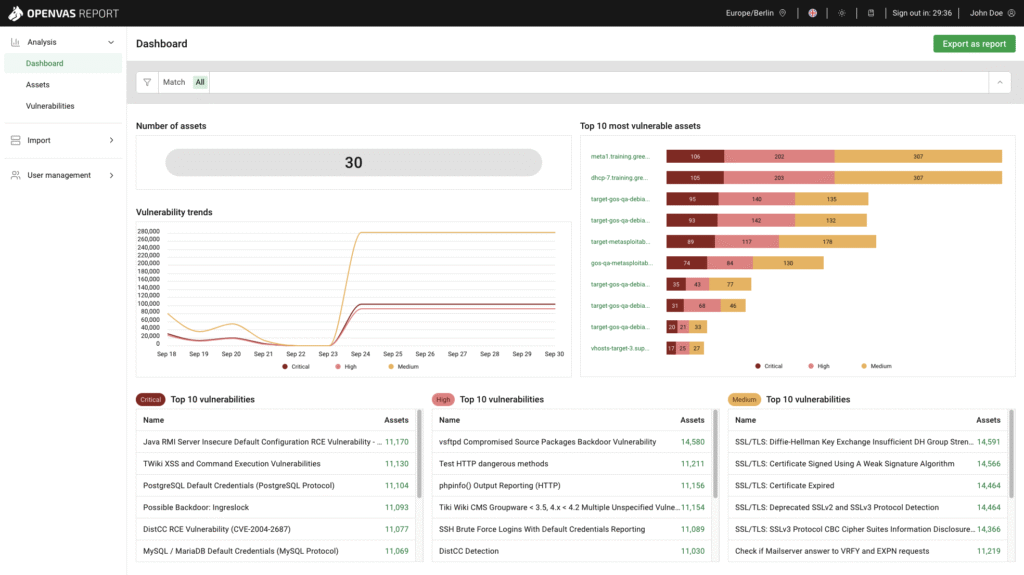
Network scanning is one of the first and most important steps in protecting a computer network from cyber threats. It’s the process of examining a network to discover all connected devices, open ports, and running services—essentially creating a map of everything that’s online. For IT administrators, this is a vital tool that helps them understand what’s on their network, how it’s configured, and where vulnerabilities might exist. Hacking for Good uses network scans to identify outdated software, misconfigured systems, or unauthorized devices that could be exploited by hackers. In short, network scanning gives IT admins the visibility and control they need to keep their systems secure, efficient, and resilient against evolving cyber threats. Not familiar? No problem! Hacking for Good provides a custom appliance to conduct the scans- simply plug it in to your network, power it on, and walk away!

Leave a Reply

Related Post

NIST Cybersecurity Framework

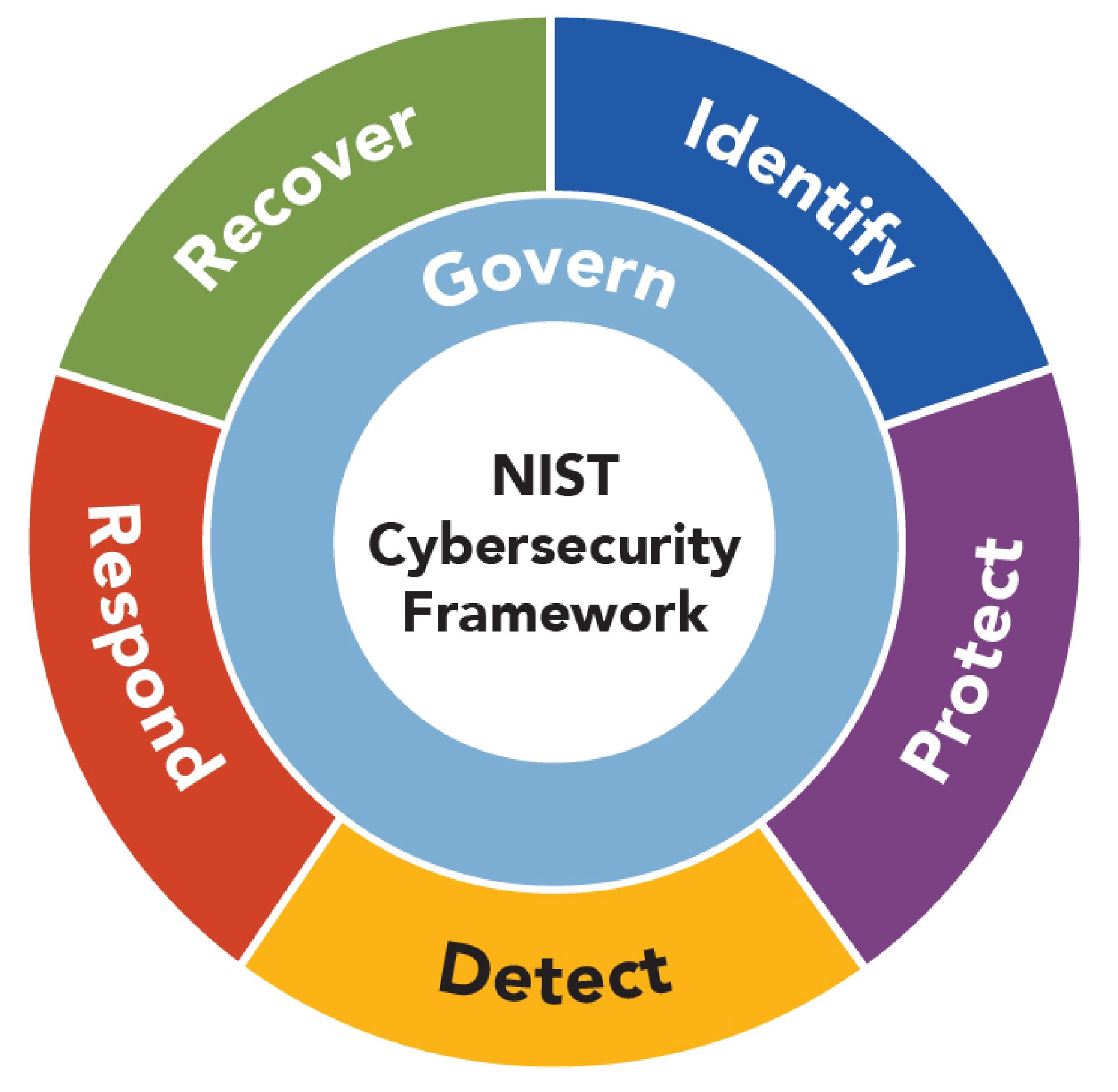
The NIST Cybersecurity Framework is a set of guidelines developed by the National Institute of Standards and Technology to help organizations manage and reduce cybersecurity risks. It provides a structured approach to identifying, protecting, detecting, responding to, and recovering from cyber threats, making it a widely accepted standard in cybersecurity planning. Hacking for Good can […]

Policy Review

Everyone gets a login when they join an organization- what happens when they leave? Does everyone share the password to the company’s general inquiry email account? Can I connect my personal laptop to the company network? A cybersecurity policy review is a structured evaluation of an organization’s existing rules, procedures, and guidelines that govern how […]

Google Workspace Security Auditing

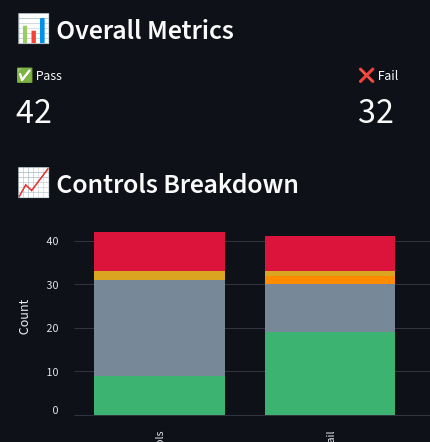
A Google Workspace security audit provides a structured, in‑depth review of how an organization’s environment is configured, governed, and monitored. The process evaluates administrative settings, identity and access controls, data‑handling policies, and collaboration configurations to identify gaps that could expose sensitive information or weaken organizational resilience. The assessment is anchored in the CIS Benchmarks for […]