NIST Cybersecurity Framework

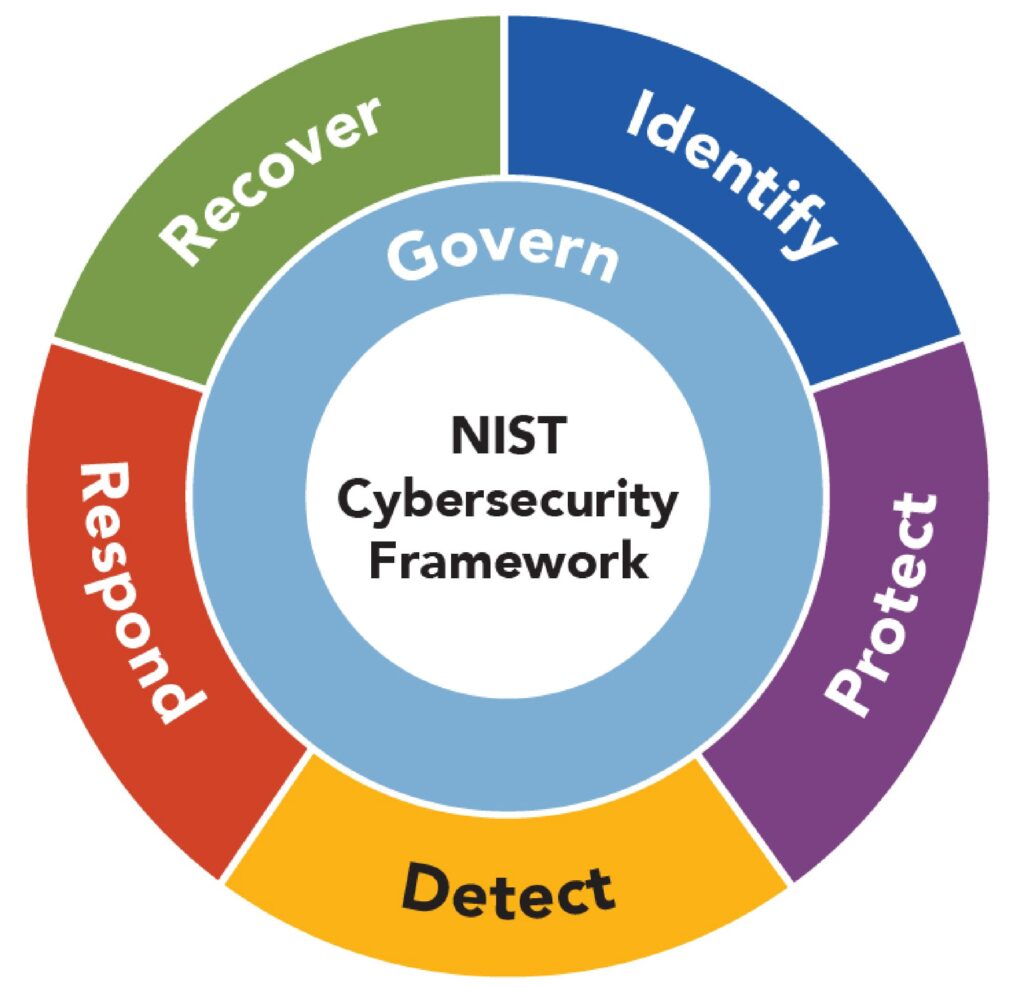
The NIST Cybersecurity Framework is a set of guidelines developed by the National Institute of Standards and Technology to help organizations manage and reduce cybersecurity risks. It provides a structured approach to identifying, protecting, detecting, responding to, and recovering from cyber threats, making it a widely accepted standard in cybersecurity planning. Hacking for Good can help your organization review and incorporate relevant practices from the framework to bolster your cybersecurity posture. Its importance lies in helping organizations build stronger defenses, improve incident response, and align their security practices with industry best practices. By following the framework, companies can better safeguard sensitive data, maintain customer trust, and meet regulatory requirements. Overall, the NIST Cybersecurity Framework serves as a valuable tool for building a resilient and proactive security posture in today’s increasingly digital world.

Leave a Reply

Related Post

Google Workspace Security Auditing

A Google Workspace security audit provides a structured, in‑depth review of how an organization’s environment is configured, governed, and monitored. The process evaluates administrative settings, identity and access controls, data‑handling policies, and collaboration configurations to identify gaps that could expose sensitive information or weaken organizational resilience. The assessment is anchored in the CIS Benchmarks for […]

Network Traffic Inspection

Network traffic inspection is the process of monitoring and analyzing the data that flows in and out of a nonprofit’s computer network. This includes emails, web activity, file transfers, and other communications between devices and external servers. For nonprofits, inspecting network traffic is a vital cybersecurity measure that helps detect suspicious behavior, prevent data breaches, […]

Network Scanning

Network scanning is one of the first and most important steps in protecting a computer network from cyber threats. It’s the process of examining a network to discover all connected devices, open ports, and running services—essentially creating a map of everything that’s online. For IT administrators, this is a vital tool that helps them understand […]