Network Traffic Inspection

Network traffic inspection is the process of monitoring and analyzing the data that flows in and out of a nonprofit’s computer network. This includes emails, web activity, file transfers, and other communications between devices and external servers. For nonprofits, inspecting network traffic is a vital cybersecurity measure that helps detect suspicious behavior, prevent data breaches, and protect sensitive information such as donor records, financial data, and internal communications. Cybercriminals often target nonprofits because they may have limited security resources but still handle valuable data. By examining traffic patterns, Hacking for Good can spot unusual activity like unauthorized access attempts or unsecured communication and recommend mitigations. Regular network traffic inspection strengthens a nonprofit’s overall security posture and builds trust with supporters by demonstrating a commitment to safeguarding their information.

Leave a Reply

Related Post

NIST Cybersecurity Framework

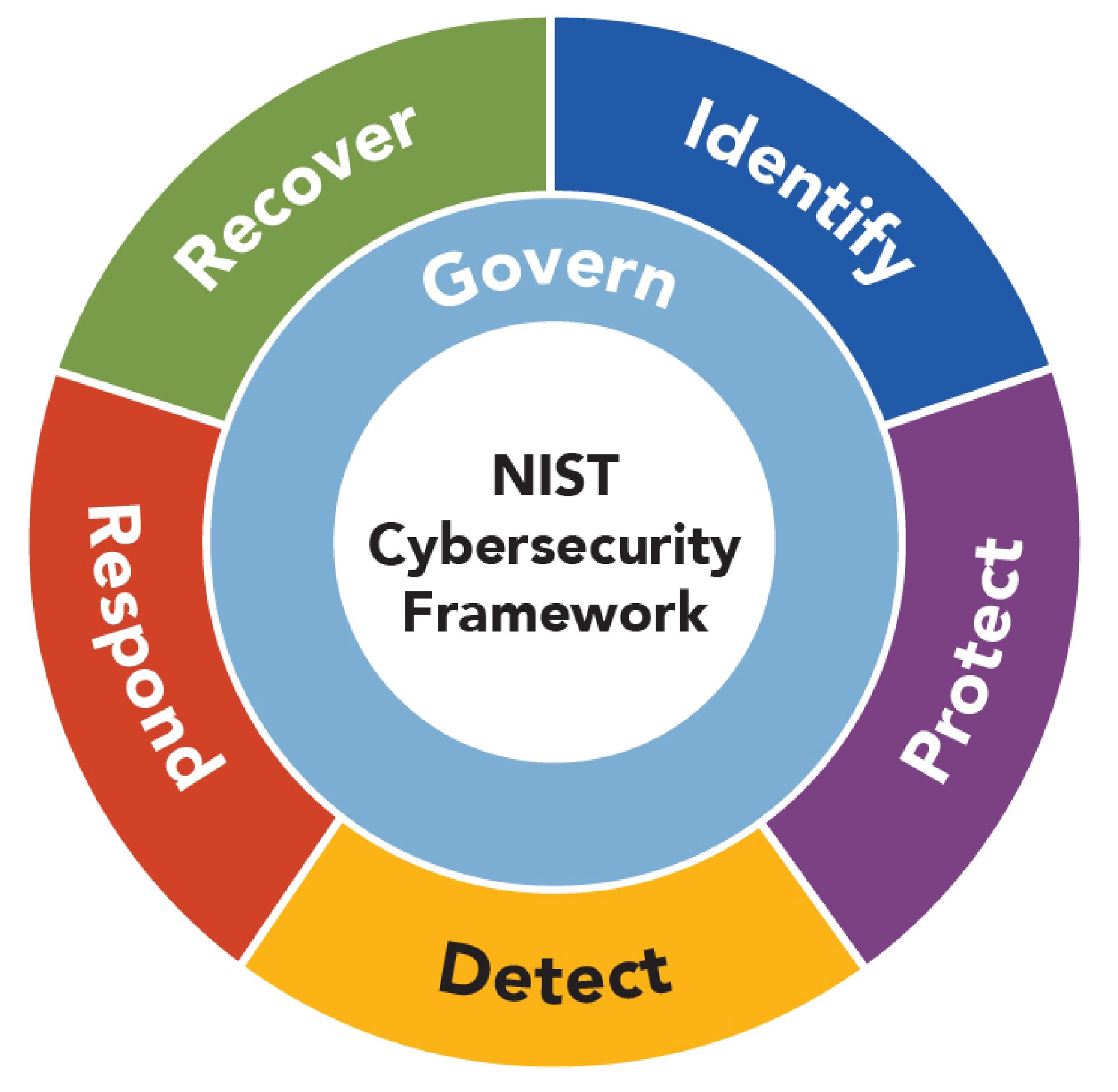
The NIST Cybersecurity Framework is a set of guidelines developed by the National Institute of Standards and Technology to help organizations manage and reduce cybersecurity risks. It provides a structured approach to identifying, protecting, detecting, responding to, and recovering from cyber threats, making it a widely accepted standard in cybersecurity planning. Hacking for Good can […]

Online Footprint Review

An online footprint evaluation for a nonprofit is a cybersecurity-focused review of how much information the organization—and its staff, volunteers, and donors—are exposing publicly on the internet. This includes analyzing the nonprofit’s website, social media accounts, staff directories, event listings, and any other digital content that could reveal sensitive or exploitable details. While transparency is […]

Cyber Maturity Model Certification Self-Assessment

The Cybersecurity Maturity Model Certification (CMMC) framework is a set of cybersecurity standards developed by the U.S. Department of Defense (DoD) to ensure that contractors and subcontractors properly protect sensitive government informationOrganizations working with the federal government are required to meet specific CMMC levels based on the nature of their work, making it an essential […]