A simulated phishing exercise is a cybersecurity training method used to test and educate employees about phishing threats. Hacking for Good can send fake but realistic phishing emails to organizational staff to see how they respond-whether they click on suspicious links, enter sensitive information, or report the email as suspicious, all in a safe and controlled environment. The goal isn’t to trick or punish employees, but to raise awareness and improve their ability to recognize and avoid real phishing attacks. Phishing is one of THE MOST common ways cybercriminals gain access to networks, often leading to data breaches, financial loss, or system compromise. By running simulations, companies can identify weak spots in their defenses, provide targeted training, and build a culture of caution and vigilance. These exercises also help IT teams measure the effectiveness of their security awareness programs and reduce the overall risk of a successful attack.
Related Post
The Cybersecurity Maturity Model Certification (CMMC) framework is a set of cybersecurity standards developed by the U.S. Department of Defense (DoD) to ensure that contractors and subcontractors properly protect sensitive government informationOrganizations working with the federal government are required to meet specific CMMC levels based on the nature of their work, making it an essential […]
Policy Review
Everyone gets a login when they join an organization- what happens when they leave? Does everyone share the password to the company’s general inquiry email account? Can I connect my personal laptop to the company network? A cybersecurity policy review is a structured evaluation of an organization’s existing rules, procedures, and guidelines that govern how […]
NIST Cybersecurity Framework
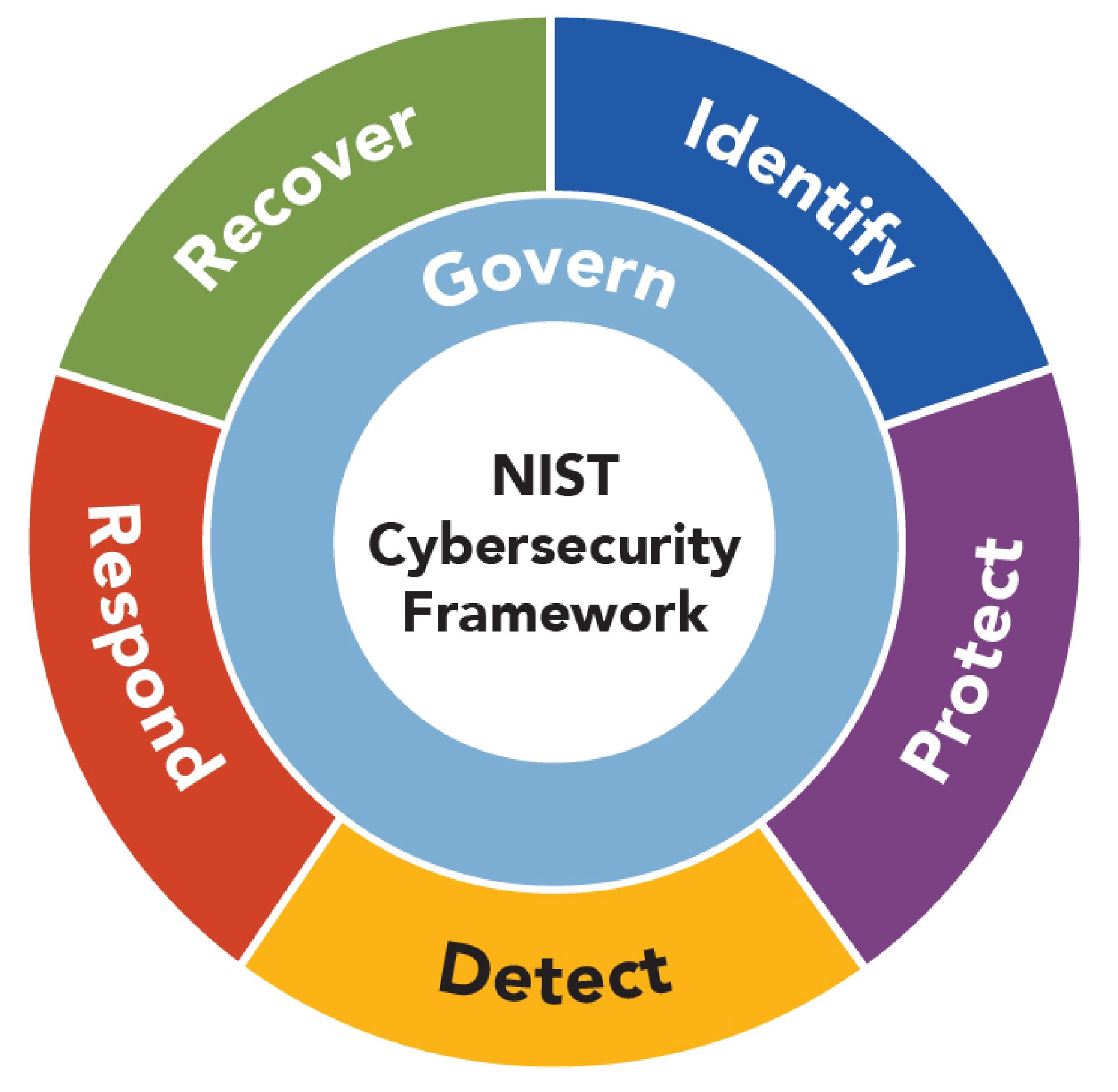
The NIST Cybersecurity Framework is a set of guidelines developed by the National Institute of Standards and Technology to help organizations manage and reduce cybersecurity risks. It provides a structured approach to identifying, protecting, detecting, responding to, and recovering from cyber threats, making it a widely accepted standard in cybersecurity planning. Hacking for Good can […]